Terrorism Studies Program

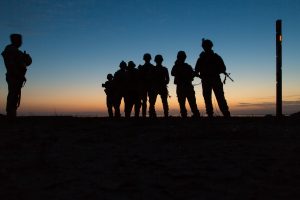
  • Homeland Security Studies Cadets participate in an interagency preparedness exercise with the Fire Department of New York, the National Guard, and the New York City Office of Emergency Management.
  • Retired General Stanley McChrystal lectures Terrorism Minor Cadets, on counterterrorism operations in Iraq and Afghanistan.
  • AIAD Cadets working in Washington D.C. for the summer visit Arlington Memorial Cemetery.
  • Michael Sheehan, CTC Senior Fellow and Former Ambassador-at-Large for Counterterrorism lectures Terrorism Studies Cadets.
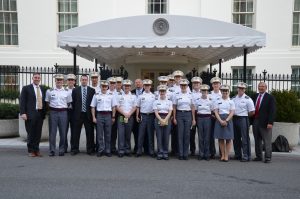
  • Terrorism Studies Cadets meet with John Brennan, Assistant to the President for Homeland Security and Counterterrorism.
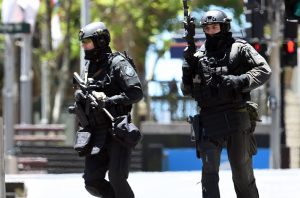
  • Terrorism Studies Cadets conduct a summer educational enrichment experience with the Los Angeles Police Department.

Overview

The Terrorism Studies Program provides the future leaders of the army with the intellectual tools necessary to understand the landscape of global terrorism and the multifaceted issues associated with counterterrorism policy. Housed within the Department of Social Sciences at West Point, the Terrorism Studies Program leverages the robust expertise and experiences of the department’s permanent and rotating faculty members.

The Terrorism Studies Minor (TSM) is designed to provide cadets with the intellectual, conceptual, analytical and theoretical tools to understand the nature, implications, root causes and complex challenges posed by terrorism in the twenty-first century. The TSM is based on two pillars: academic and professional development. These interrelated components are designed to offer cadets a world-class education in the different facets of terrorism and political violence and the ways governments respond to these challenges, while creating a community of young counterterrorism professionals.

Terrorism Minor

The TSM's professional component is designed to complement the cadets' academic training by providing access to a variety of relevant extra-curricular activities.

Special Events

Terrorism Minor Cadets will be given unique opportunities to attend lectures and roundtables with leading counterterrorism experts and practitioners. In addition the CTC is engaged in sponsoring and organizing various extra-curricular activities. The CTC sponsors an annual trip to Washington D.C. to meet with high ranking Counterterrorism officials. Cadets on past trips have met with Deputy National Security Adviser for Homeland Security and Counterterrorism, John Brennan, and Director of the National Counterterrorism Center Michael Leiter. The CTC also organizes the cadet conference, an annual event where cadets have the opportunity to present their papers/theses and receive guidance and constructive feedback from CTC staff, senior faculty and top experts in the field. Finally, twice per semester the CTC host a Movie Lunch event that includes screening a movie relevant to the program and is followed by discussion with CTC Staff.

Internships

Through the generous support of Mr. George Gilmore select Cadets will have the opportunity to pursue 6 weeks internship opportunities at key partner institutions in Washington D.C. as well as in other parts of the country and abroad. In past years CTC AIAD program participants have interned at the NCTC, State Department, FBI and other organizations.

Advanced Research Opportunities

In addition to mentoring Cadets pursuing their theses the CTC assists select Cadets who have a particular research interest with locating a sponsoring agency for both funds and additional academic opportunities. Past projects that have received additional support from the Defense Threat Reduction Agency (DTRA) include senior theses concerning the London 2012 Olympics, and illicit smuggling networks. The CTC has also supported a Behavioral Sciences & Leadership thesis cadet whose paper was accepted on a panel with Terrorism Experts Martha Crenshaw and Gerald Post.

Select Courses

Terrorism and Counterterrorism

This course provides the foundations for understanding the causes, nature, and consequences of terrorism, and emphasizes the practical and moral dilemmas states confront when seeking to counter the terrorist threat. A wide range of both theoretical and historical resources are utilized to contextualize the evolving nature of terrorism and develop a sophisticated understanding of the phenomenon. In particular, research which incorporates multiple levels of analysis are emphasized in the readings fostering an understanding not just of the individual terrorist, but the role of terrorist groups and their situational and operational context.

Homeland Security Defense

This course provides an introduction not just to the wide variety of components that constitute the homeland security challenge but also to the major policy and institutional reforms underway across the nation. The syllabus encourages an analytical approach to examining both past bureaucratic reforms and proposed legislative initiatives to determine if and how they might improve U.S. security. Fundamental to the course is an emphasis on the role of critical thinking and creativity to prevent and reduce our vulnerability to terrorist attacks within the United States. Serious emphasis is placed on discussing what policy makers should do if prevention fails and the importance of critical infrastructure protection and recovery planning.

Advanced Terrorism Studies

The advanced terrorism studies seminar builds on the knowledge and skills acquired in SS465 and SS464 in order to further expand cadets’ familiarity with the phenomenon of terrorism. Offered in the spring semester, the focus of the course will vary depending on the instructor’s specialty and expertise. For more information please contact the Director of Terrorism Studies, Dr. Arie Perliger.

Thinking Beyond Counterinsurgency

Civil War and Internal Conflict. This course pushes beyond discussions of counterinsurgency operations to focus on conflicts that occur between warring factions and armed groups INSIDE state borders. Because these conflicts tend to be highly fluid a number of different dynamics are examined including: the use of conventional war tactics, insurgency and guerilla warfare, and the role of economic systems resembling mafia and organized crime rings as well as gang warfare. Case studies are incorporated in each lesson to illustrate the key terms of reference, clarify prominent theories of internal conflict and elucidate the actual conduct of these wars. War termination is examined by focusing on the escalation and de-escalation of violence and the role of intervention forces.